

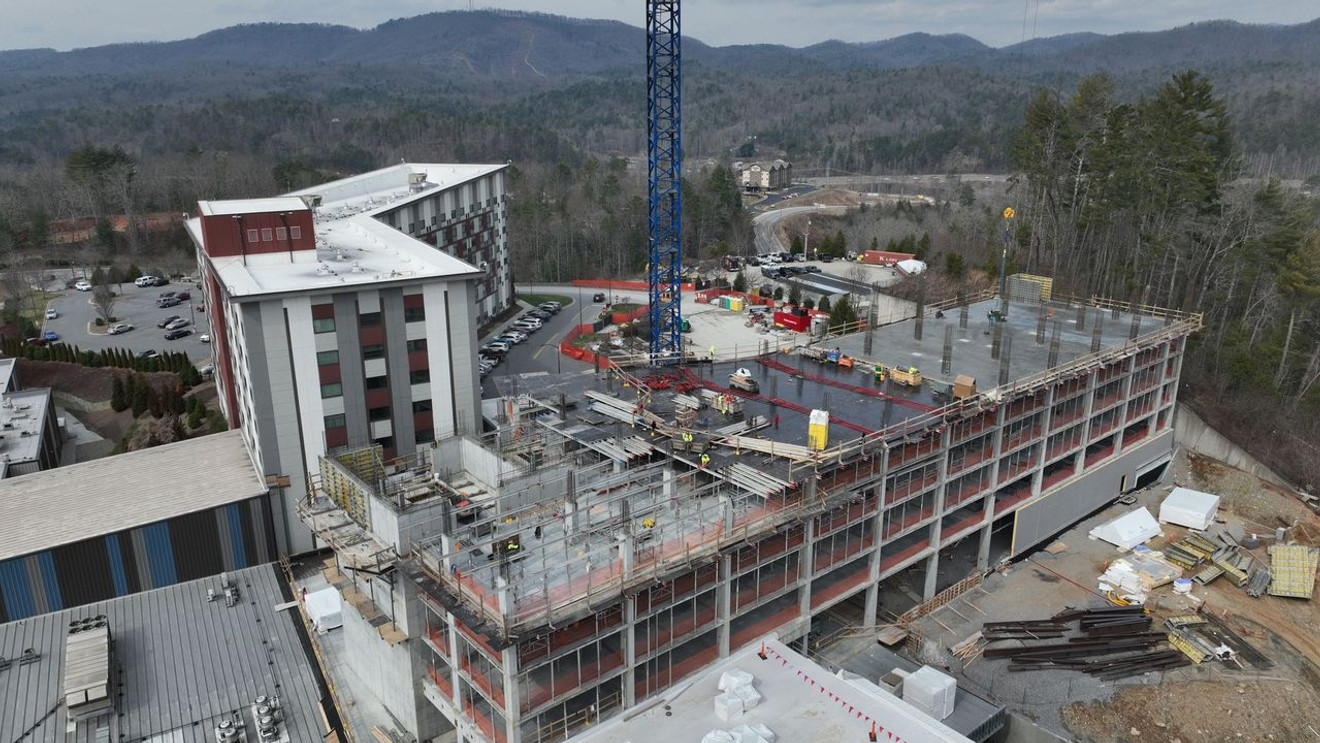
Hospitality Groups buyers need roof scopes that can survive procurement review. We write findings, quantities, risk notes, alternates, and schedule assumptions clearly enough for ownership, facilities, and finance teams to make a decision.
The City's Hillyard subarea work is tied to the Northeast Public Development Authority and catalyst-site planning.
For hospitality groups, we keep the file practical: roof plans, leak maps, photo reports, core notes, drain observations, system options, repair priorities, and a closeout record that the next property manager can understand.
Our first pass is built for decision-making. We document where water is entering, where the roof is only showing symptoms, and where a permanent repair would disturb tenant operations. That means marked photos, measurements, drainage notes, penetration counts, and a practical list of roof areas that should be opened for confirmation before pricing is treated as final.
The City of Spokane's commercial permit process requires a Commercial Building Permit Application before alteration work moves into review.
Spokane roof schedules need more respect for weather than a simple calendar allowance. Cold mornings affect adhesives, coatings, and weld preparation. Afternoon wind changes material handling. Snow melt can hide an active leak for days and then send water through a penetration when the freeze returns. We plan daily dry-in around those conditions instead of assuming every production day behaves the same.
A roof file should explain the budget. We separate emergency control, maintenance repairs, restoration, recover, and replacement because those choices carry different risks. Owners get line items for access, tear-off, insulation, recovery board, edge metal, drain work, curbs, sheet metal, disposal, and closeout documentation so the number can be reviewed instead of guessed.
The Park's available amenities include dock-high warehouses, grade-level loading, Union Pacific and BNSF rail service, clear heights up to 37 feet, fenced storage, and redundant fiber optics.
Tenant protection is part of the scope. We ask about loading hours, rooftop units, food storage, medical or classroom sensitivity, retail opening times, security requirements, and elevator or stair access. If a crew needs to cross a public entry, block a dock door, or create noise over occupied space, that belongs in the plan before mobilization.
Moisture review changes everything. A dry roof with worn details can often be maintained. A roof with hidden wet insulation needs a different conversation. We use core cuts, probe notes, leak history, infrared timing when useful, and interior stain mapping to decide whether the existing assembly is worth preserving or whether the owner needs a replacement path.
We avoid fake certainty. Manufacturer names, warranty terms, and system labels do not matter if the substrate, fastening, wind design, insulation, and edge conditions do not support them. We write scopes that call out assumptions and exclusions plainly, including where concealed deck repair or saturated insulation may change the final amount.
For hospitality groups, we also look at how the roof will be serviced after the immediate work is finished. A roof that receives frequent HVAC visits needs walk pads and clear service paths. A warehouse roof with dock traffic below needs protected loading zones. A medical or education building may need tighter odor and noise control. A retail roof often needs work staged around opening hours and parking-lot access. Those details are not extras; they are how the job avoids disrupting the building it is supposed to protect.
Drainage gets its own review because many Spokane leaks are made worse by slow water movement. We check primary drains, overflow scuppers, collector boxes, gutter transitions, tapered crickets, low spots near curbs, and snow-melt paths where refreeze can block flow. If the roof has repeated leak calls after thaw cycles, the drain pattern is usually as important as the membrane patch.
The specification for hospitality groups should identify what is included and what is only an allowance. We separate base scope from alternates such as added cover board, replacement insulation, new edge metal, curb rebuilds, drain bowl replacement, sheet-metal coping, temporary interior protection, and after-hours labor. That structure helps an owner compare proposals without mistaking a low incomplete number for the best value.
Safety and access planning are written into the roof file before the work starts. We note hatch condition, ladder use, parapet height, skylight exposure, fall-protection setup, power-line proximity, material staging, public sidewalks, loading docks, and weather shut-down points. Commercial roof work is smoother when the access plan is visible to the estimator, crew lead, property manager, and tenant contact.
The final recommendation for hospitality groups is meant to be usable. It can support a work order, a board memo, a capital plan, or a competitive bid. We want the owner to know what should be fixed now, what should be watched, what deserves a larger budget, and what documentation should stay with the roof file after closeout.
Closeout matters because commercial roofs outlive individual managers. We provide completion photos, product references, repair locations, moisture decisions, warranty limits, and maintenance recommendations in a format that can be handed to the next owner, asset manager, or facility director without losing the roof history.
Commercial Roofing Questions
What changes the realistic cost range for hospitality groups in Spokane?
Access, wet insulation, deck repairs, snow-season dry-in, disposal, edge metal, drain work, rooftop equipment, tenant protection, and permit or energy-code triggers can all move the number more than the roof label by itself.
How do we decide whether hospitality groups is repair, coating, recover, or replacement?
We compare leak history, moisture findings, seam condition, attachment, drainage, age, and planned building use. A roof with trapped water or failing flashings should not be dressed up with a coating.
Can hospitality groups work happen during winter?
Leak control, emergency dry-in, inspections, and selected repairs can continue with the right plan. Adhesives, coatings, large tear-offs, and exposed insulation need tighter weather windows and daily stop points.
What should we send before a hospitality groups roof walk?
Send roof plans, access notes, leak photos, prior repair invoices, warranty papers, tenant restrictions, rooftop-unit schedules, and any planned HVAC, solar, sign, telecom, or structural work.
Do manufacturer names on a hospitality groups scope mean certification?
No. Manufacturer references are informational unless certification is verified in writing for the assigned contractor, the exact assembly, and the warranty requested for the building.