

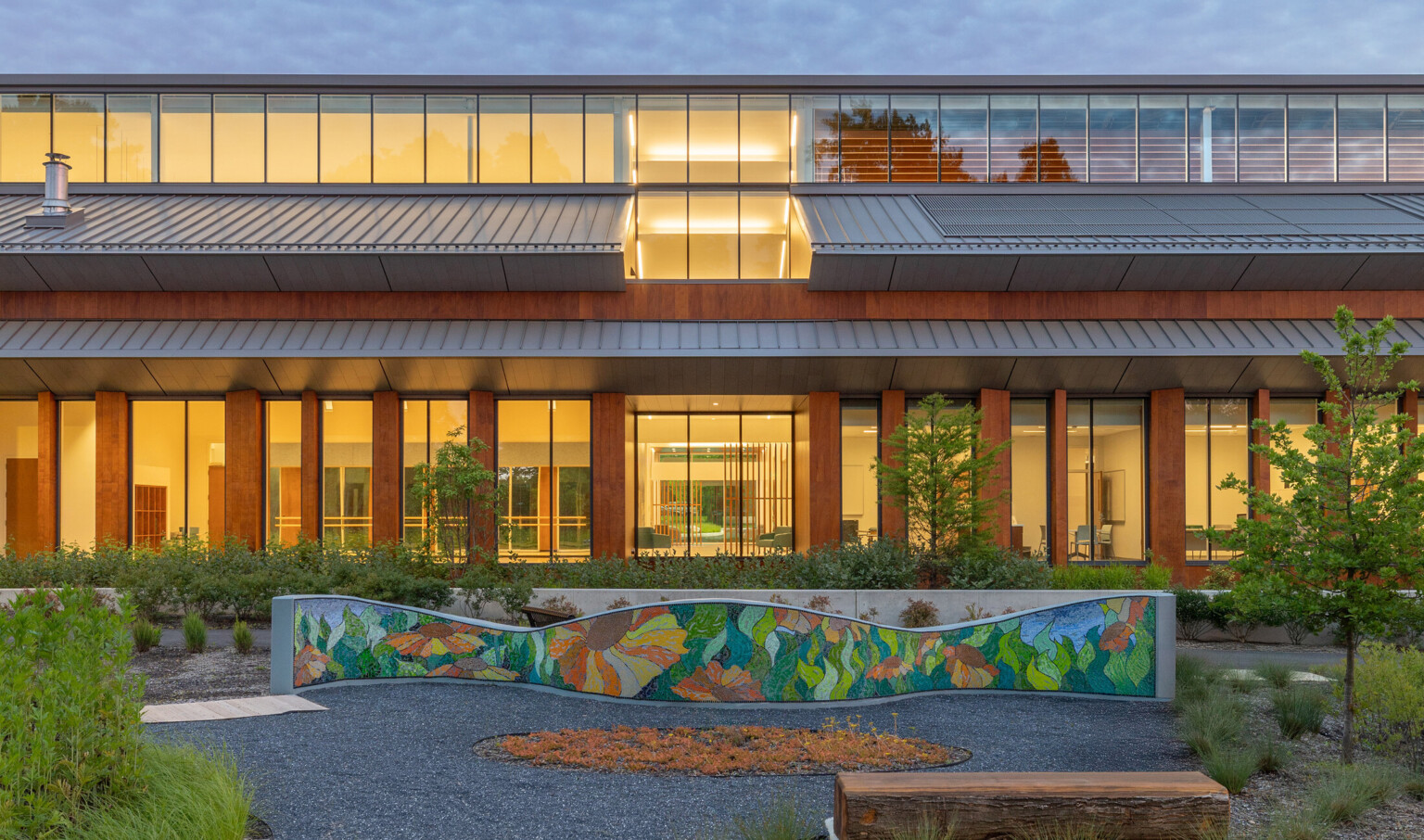
Sports and recreation buildings are defined by what isn't there: interior columns. Gymnasiums, field houses, ice rinks, and arena structures put a roof over a wide clear span, and that span flexes, builds up snow load, and pulls hard on its fasteners in a way a column-gridded office roof never does. Add a programming calendar that fills evenings, weekends, and holidays — exactly when crews would rather not work — and you have a building type that punishes a generic roofing approach. We scope these to the actual deck and span, and we plan the work around the schedule the facility runs, not the other way around.
Spokane is a genuine sports town, and it shows up in the building stock. The city anchors the Hoopfest and Bloomsday crowds, hosts the Spokane Chiefs and a busy event calendar at the Spokane Arena and the Podium indoor track-and-field facility along the north bank of the river, and runs a deep bench of municipal recreation centers, school gyms, and the YMCA branches that serve the neighborhoods. Each of those owners contracts a roof differently, and the building physics under them vary just as much.
Long-Span Decks Need Their Own Math
A clear-span gym or arena roof behaves like a movie-theater deck in one sense — wide, low-slope, deflecting under load — but with athletic humidity stacked on top. The attachment can't be assumed. Steel deck at an eighty-foot span needs a different fastener pull-out calculation than the same deck at thirty feet, and snow drifting against rooftop equipment and parapets piles load unevenly. We provide the deck evaluation and fastener specification as part of the scope, and for the largest spans we'll typically run 60- or 80-mil TPO mechanically attached over polyiso, sized to what the structure can actually take.
Pools and Ice: The Humidity Problem
Aquatic centers and natatoriums are the hardest roofs in this category. Chloramine — the gas thrown off when pool chlorine reacts with what swimmers bring into the water — corrodes ordinary metal flashing, aluminum edge metal, and some adhesives. Over a pool hall we specify stainless or copper flashing in the chloramine zones, confirm the membrane's chemical resistance against the manufacturer's data, and use adhesives tested for that environment. We also check that the ventilation exhausts pool-hall air to the exterior rather than recirculating it up against the deck. Ice rinks bring their own twist: a cold interior under a warmer roof drives condensation if the vapor control layer is misplaced, so the dew-point math has to be right before we recover anything.
Moisture Surveys Come First
Because so much of the trouble in these buildings is hidden inside the assembly, we don't recover blind. A moisture survey and a look at the existing vapor strategy come before any reroof spec on a pool, ice, or high-humidity recreation roof. Laying new membrane over a wet or wrongly built assembly just seals the problem in — and on a long-span deck, wet insulation also adds weight the structure wasn't promised.
What a rec-facility roof scope covers
- A structural deck evaluation and fastener spec tuned to the actual span and snow load.
- A moisture survey and vapor-control review before any recover or reroof.
- Corrosion-rated flashing and tested adhesives wherever there's a pool or ice sheet.
- Scheduling sequenced around the programming and event calendar provided by facility management.
Snow Load and Storm Claims on Wide Roofs
A long-span roof is exactly where Spokane's winters do their damage. Snow doesn't sit evenly on a big flat deck — it drifts against parapets, mechanical screens, and roof-level walls, piling localized load where the structure is already working hardest, and a wind-driven storm can lift edge metal or tear a seam across a wide field in one event. When that happens on a rec center or arena, the building usually can't just close while everyone figures out the insurance. We document storm damage thoroughly, photograph and map it for the carrier, and scope the repair so the adjuster sees what actually failed and why. Distinguishing storm damage from ordinary wear is where these claims are won or lost, and on a large roof the dollar difference is significant. We coordinate that process so the facility gets back to its calendar quickly and the owner isn't left covering damage the policy should have paid.
Public Bid, Private Club, Same Crew
How the contract works depends on who owns the building. Municipal rec centers, park-district facilities, school gyms, and the YMCA run public procurement — bid advertising, bid bonds, performance and payment bonds, and prevailing-wage compliance where it applies. We carry the bonds and insurance for public work in Washington and know the documentation those contracts demand. Private clubs and event venues take a different procurement path but often carry just as tight a calendar, driven by membership programs and the event schedule. We've worked both across the region, and the work itself doesn't change — only the paperwork around it.
Sports & Recreation Facility Roofing Questions
How do you handle humidity from pools and locker rooms in the roof assembly?
With a vapor retarder positioned correctly within the assembly for Spokane's climate zone, confirmed by a moisture survey before the reroof is specified. Recovering over a wet or misspecified assembly compounds the problem rather than solving it, so the survey comes first on any aquatic or high-humidity recreation roof.
What materials hold up to natatorium chloramine exposure?
Chloramine corrodes standard metal flashing, aluminum edge metal, and some adhesives. Over pool halls we specify stainless or copper flashing in the exposed zones, confirm membrane compatibility against the manufacturer's chemical-resistance data, and use adhesives tested for pool environments. Standard roofing details aren't appropriate for natatoriums.
How do you schedule work around heavy evening and weekend programming?
Around the programming calendar provided by facility management. Gym and arena work is concentrated in weekday daytime hours with dry-in confirmed before evening programs begin. For aquatic facilities, any HVAC or exhaust-penetration work that could affect air exchange above the pool is coordinated with the pool operations team.
Do you handle public bid requirements for municipal facilities?
Yes. Public procurement for Spokane rec centers, park-district facilities, and school gyms involves bid advertising, bid bonds, performance and payment bonds, and prevailing-wage compliance where applicable. We carry the required bonds and insurance for public work in Washington and know the documentation these contracts require.
What roof systems work best for large-span gymnasium roofs?
Long-span gym roofs typically use 60- or 80-mil TPO mechanically attached over polyiso. The attachment must match the actual deck and span — steel deck at eighty feet needs different fastener pull-out calculations than the same deck at thirty. We provide the deck evaluation and fastener spec as part of every long-span scope.