

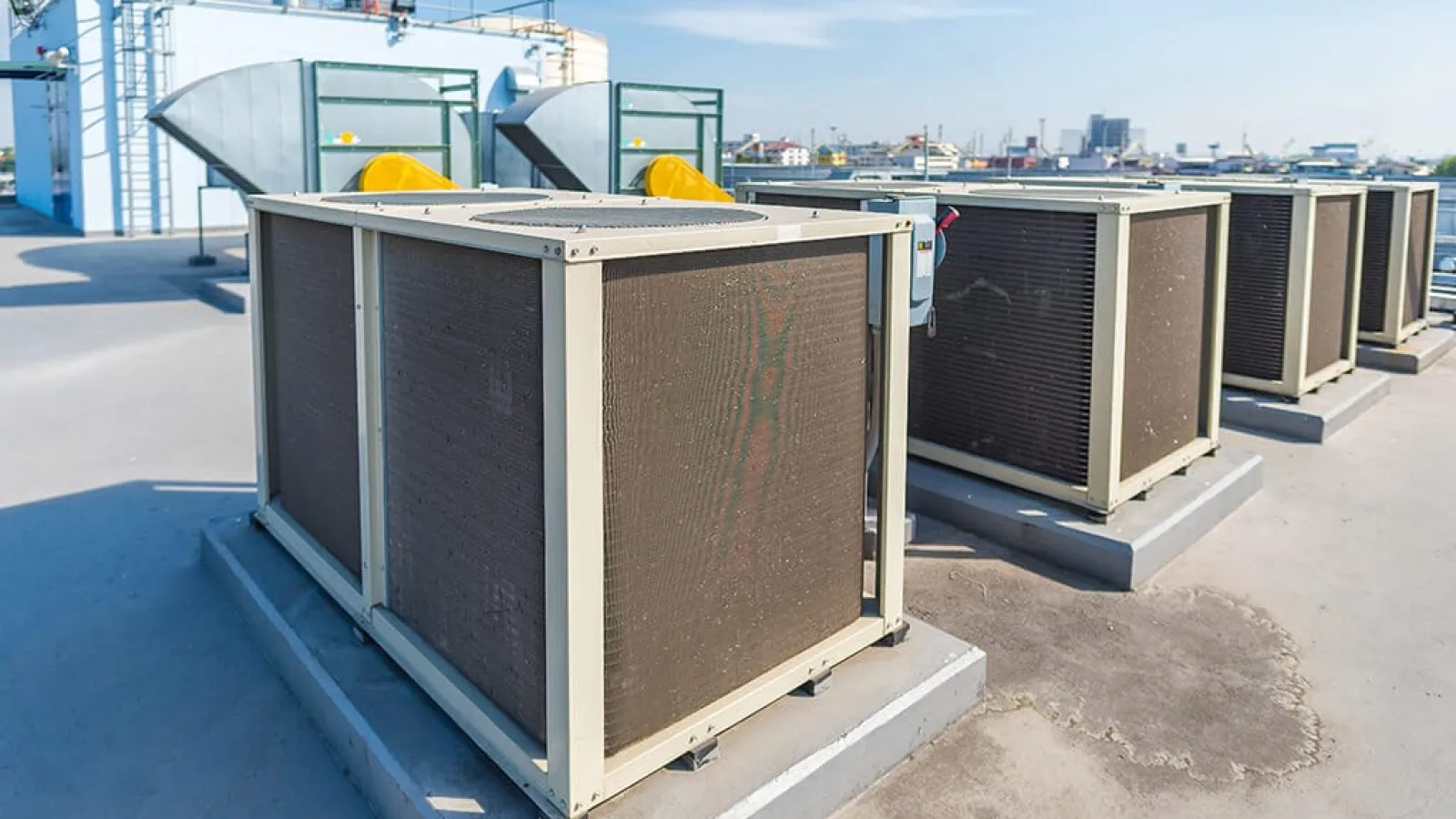
Spokane's food-service industry runs the full spectrum, from the independent eateries lining the South Perry and Garland districts to the dense QSR corridors along Division Street and the airport-adjacent strip developments feeding travelers through Spokane International. The Inland Northwest's high-desert climate swings hard—arid summers that bleach and crack unprotected membranes, followed by cold winters where the city can sit under ice fog and snowpack for weeks. That combination puts restaurant roofs under stress that owners in Seattle or Portland rarely face.
Kitchen exhaust flashing on Spokane restaurant roofs deteriorates faster than owners expect because the drying effect of the region's low-humidity summers accelerates sealant shrinkage at curb edges. A curb that was sealed tight after installation may open a quarter-inch gap within two dry seasons, allowing windblown debris and rain to enter at oblique angles. High-elongation silicone sealants—formulated to flex across a wider temperature range than standard urethane caulk—maintain their bond through Spokane's dramatic seasonal shifts.
TPO membrane systems have become the standard for Spokane's flat-roof restaurants because they reflect the region's intense summer sun, reducing cooling loads in kitchens that are already fighting heat from fryers and ranges. A white 60-mil TPO roof on a South Hill fast-food building can cut rooftop surface temperatures by fifty degrees or more compared to a dark-cap modified bitumen system, which translates directly to lower energy bills and longer HVAC equipment life.
The Spokane River corridor and the Kendall Yards mixed-use development have brought a wave of new brewery taprooms and full-service restaurants into buildings that were originally designed for office or light-industrial use. Converting those structures for food service means adding exhaust curbs, grease duct penetrations, and walk-in refrigeration units to roofs that were never intended for that penetration load. Retrofit flashing details on converted buildings require extra attention to deck attachment and waterproofing transitions where new curb bases meet original membrane field.
Walk-in cooler moisture intrusion is especially problematic in Spokane operations that run year-round outdoor patio service, since repeated door openings create significant condensation cycling on refrigeration equipment. That moisture follows the path of least resistance upward through insulation and toward the roof deck. Vapor barriers integrated beneath the roofing insulation, combined with thermal break pads under cooler mounting feet, interrupt that pathway before the deck substrate becomes saturated and structurally compromised.
Franchise operators running McDonald's, Taco Bell, and Burger King locations along the North Division Street and Francis Avenue commercial strips must coordinate roof projects with corporate facility management teams that have specific material and contractor certification requirements. Working with a Spokane roofing contractor who holds manufacturer certifications for both Firestone and Carlisle TPO systems gives franchise operators the documentation trail corporate real estate departments require without having to import crews from Seattle or Portland at premium rates.
Spokane's restaurant fire suppression requirements create additional roof penetrations beyond standard kitchen ventilation. Ansul system pipes, suppression chemical discharge points, and related pipe chases each pass through the membrane and must be individually flashed and sealed. A single missed or improperly detailed suppression pipe penetration can allow standing water from snowmelt—Spokane averages more than 40 inches of annual snowfall—to pool and migrate into the structure during a heavy March melt event.
Preventive maintenance programs for Spokane food-service roofs should include a late-October inspection specifically targeting grease accumulation on and around exhaust curbs. Grease that pools on the membrane through the summer cooking season hardens in the first cold snaps of fall, creating ridges that dam water behind them during rain events. Pressure washing grease deposits off the membrane field before freeze-up, followed by a sealant touchup on any areas showing UV wear, adds meaningful years to the roof system's serviceable life.
Roofing emergencies during Spokane's winter service season can devastate a restaurant's weekly revenue. A comprehensive emergency response agreement with a local contractor—one that guarantees a site visit within four hours of a reported leak—gives operators peace of mind through the months when roof issues are hardest to address and most damaging when ignored. Temporary liquid-applied patches can stabilize an active leak in freezing conditions until a full repair is scheduled during a dry window.
- Why does Spokane's dry climate still cause roofing problems for restaurants?
- Low humidity accelerates UV degradation of sealants and membrane surfaces, causing cracking and shrinkage at penetration flashings and seams. Combined with winter freeze-thaw cycles and summer temperatures that can exceed 100 degrees, Spokane roofs age faster at detail transitions than those in wetter, more moderate climates. Annual inspections and sealant maintenance are essential to catch drying-related failures early.
- What is the best approach to adding kitchen exhaust penetrations to a converted Spokane building?
- Retrofit curb installations require cutting through the existing membrane and deck, then building a properly sloped and flashed curb that integrates cleanly with the surrounding field membrane. The surrounding area should be inspected for pre-existing moisture damage before the new curb is set, since adding a penetration to an already-wet deck section compounds the problem. A thorough moisture scan prior to any retrofit penetration work is standard practice.
- How do franchise roof specifications interact with local Spokane building requirements?
- Most national QSR franchisors specify membrane type, thickness, and fastening pattern, but those specs must still meet or exceed Washington State energy code and Spokane County building department requirements. A contractor familiar with both sets of standards can identify any conflicts and document compliance for both the franchisor's records and the local permit file.
- Can a Spokane restaurant roof handle the added weight of rooftop HVAC equipment added after original construction?
- Structural capacity for new rooftop equipment must be verified by an engineer before installation, since many older Spokane commercial buildings were not designed for heavy supplemental loads. Beyond structure, each new unit requires a properly sized and flashed curb, electrical conduit penetrations, and drain provisions to keep condensate from pooling at the unit base.
- How long does a TPO roof installation typically take on a Spokane QSR building?
- A standard single-story quick-service building of 2,500 to 4,000 square feet can typically be completed in two to three days under good weather conditions. Phased overnight work to avoid closure adds one or two additional nights to the schedule. Permit processing through Spokane's building department typically runs five to seven business days for a straight replacement project.