

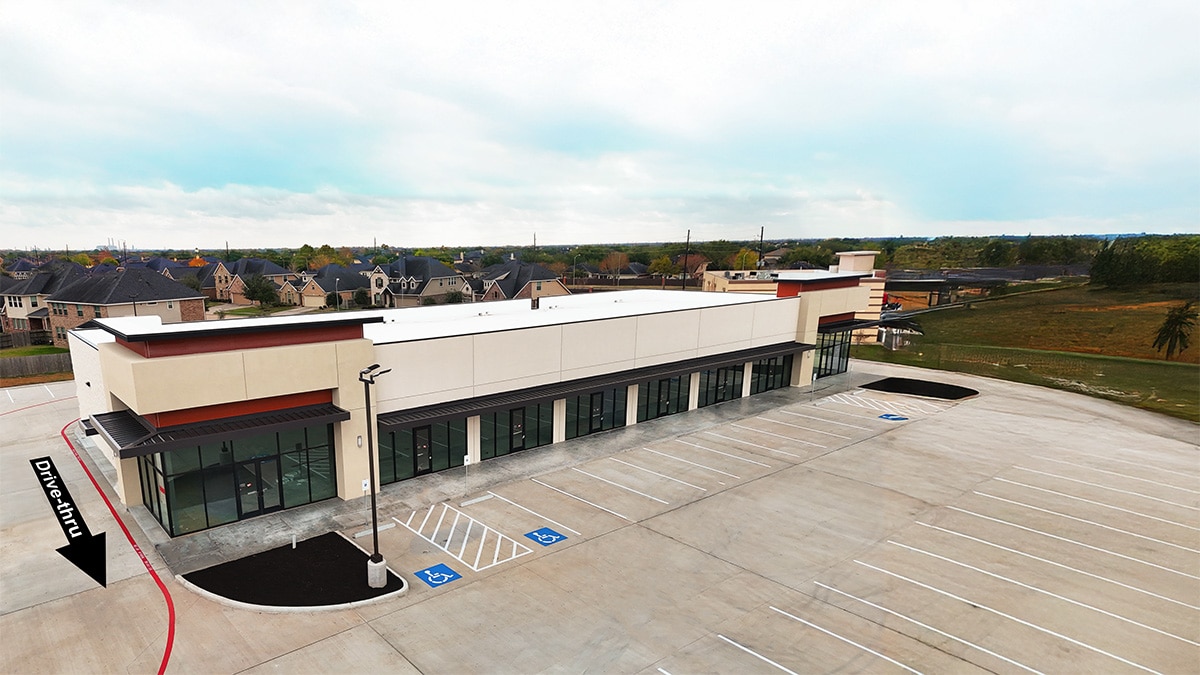
Spokane's retail market anchors commerce for a sprawling inland empire trade area that extends into northern Idaho, eastern Washington, and portions of western Montana — a geographic footprint that makes the retail centers along Division Street, the Spokane Valley Mall corridor, and the North Side shopping districts the primary destination for consumers who may travel two or three hours to shop. The regional draw that makes Spokane retail properties valuable also means that any disruption to the shopping experience, including a visible roofing failure or construction-related access problem, has consequences that echo through tenant revenue reports for the affected season. Property owners managing commercial retail in the Inland Northwest understand that maintaining building quality is not incidental to the business — it is the business.
Spokane's climate sits in a unique position among Pacific Northwest markets: far enough inland to miss the persistent marine moisture of Seattle and Portland, yet still influenced by Pacific weather systems that deliver concentrated winter precipitation in the form of heavy snow rather than the steady rain that characterizes the coast. Average annual snowfall of 42 inches means that Spokane retail roofs carry snow loads that west-side Washington markets rarely experience, while the comparatively dry summers allow UV-related membrane aging that is more aggressive than in shaded, overcast coastal environments. This combination — heavy winter snow, dry and sunny summers, and the freeze-thaw cycling that links the two seasons — creates a demanding test for every commercial roofing system in the Spokane retail market.
The Spokane Valley Mall and the power center retail surrounding it on Sullivan Road and Sprague Avenue represents the highest-intensity commercial roofing challenge in eastern Washington, with large-format anchor stores and inline retail buildings whose flat roofs must be maintained through a complete Spokane climate cycle every year. Snow accumulation on these large roof fields creates structural loading concerns that are less acute for smaller retail buildings but become significant for anchor stores with continuous roof spans of 100 feet or more. Commercial roofing contractors in Spokane are familiar with the structural consultation process that governs snow removal decisions on these properties, and experienced property managers maintain relationships with contractors who can mobilize quickly after significant snowfall events before loading reaches concern thresholds.
TPO roofing dominates new commercial installation in Spokane for the same cold-climate flexibility reasons that make it the standard in other high-latitude inland markets. The critical specification detail for Spokane retail roofs is that mechanically attached TPO systems require fastener patterns designed for Spokane's wind exposure category, which increases in the open terrain of eastern Washington compared to more sheltered urban locations. Fully adhered systems provide superior wind uplift resistance and are the appropriate specification for retail buildings on exposed sites along Division Street's north corridor or in the Highway 2 commercial zone where winter wind events can be severe. The premium for fully adhered installation pays for itself over the system's life by eliminating the wind-related membrane fatigue and seam stress that shortens mechanically attached system service life in high-wind exposures.
Spokane's older retail corridors — the strip centers along East Sprague, the commercial blocks of North Division, and the neighborhood retail anchors scattered through the South Hill — include buildings where original built-up roofing systems have been covered with modified bitumen overlays and possibly a subsequent single-ply recovery installation, creating a multi-layer assembly that traps moisture and impedes the performance of every subsequent system applied over it. Before re-roofing these properties, core sampling to assess the existing assembly's moisture content and structural condition is essential for avoiding the situation where a new TPO membrane is bonded to a substrate that is actively deteriorating. In Spokane's freeze-thaw climate, wet insulation below the membrane expands and contracts in ways that progressively stress the membrane from underneath, undermining a new installation faster than the climate alone would.
Retail tenant disruption management in Spokane involves particular sensitivity to the seasonality of the regional trade area's shopping patterns. The holiday retail season from Thanksgiving through New Year's Day drives a disproportionate share of annual retail sales in a market where many tenants are regionally or locally owned businesses with limited financial resilience. Scheduling roofing projects to avoid any activity on tenant-occupied sections during November and December is a practical necessity rather than a courtesy, and commercial roofing contractors in the Spokane market plan project sequences accordingly — completing the most disruptive work phases in August and September before the fall trade season begins, and deferring any remaining work to January and February when retail activity is at its seasonal low.
HVAC system density on Spokane retail roofs reflects the city's full four-season climate, where the same equipment must provide effective cooling during July heat events and heating through January cold snaps. The mechanical penetrations created by this equipment — unit curbs, condensate drain lines, refrigerant line sets, and exhaust fans — create a penetration field that must be managed through annual inspection to catch the curb base flashing separation and pitch pocket deterioration that Spokane's temperature cycling accelerates. Property managers who build rooftop equipment inspections into their HVAC maintenance contracts create a valuable secondary inspection touchpoint that catches developing roofing problems before the HVAC contractor's annual visit turns into an emergency call about a water intrusion near a piece of equipment.
Commercial insurance underwriting for Spokane retail properties has evolved to include detailed questions about roof age, maintenance history, and hail damage assessment following several significant hail events in the Inland Northwest that generated large commercial claims. Retail property owners who lack documented inspection records or who have known damage that has not been repaired face difficulty placing or renewing property insurance at competitive rates in the current Spokane market. Building a simple maintenance file that includes annual inspection reports, drain cleaning records, and repair invoices — along with pre-damage photographs taken before any major weather event — costs nothing beyond the time to organize existing documents but can make a material difference in both insurance availability and premium cost.
The emerging retail development around Liberty Lake and the continued growth of the Spokane Valley commercial corridor are bringing new retail construction to the eastern Washington market that generally reflects current best practices in commercial roofing design. However, property owners and their tenants signing long-term leases on these newer properties should not assume that new construction automatically means a well-executed roofing system. Construction schedule pressures during periods of high development activity can result in roofing installations where membrane attachment patterns were modified from specification, flashing details were simplified beyond what the design intended, or drain installation positions were adjusted during framing without coordination with the roofing plan. Independent roof commissioning inspections on new retail construction protect both property owners and anchor tenants from inheriting roofing problems that the construction process created but the building inspection process did not catch.
- How much snow load can a typical Spokane retail flat roof safely support?
- Commercial flat roofs in Spokane are structurally designed to meet the ground snow load requirements of the Washington State Building Code for the Spokane area, which is typically in the range of 25 to 30 pounds per square foot, though the specific design load for any given building is documented in the original structural drawings and may vary based on the building's vintage, exposure, and span conditions. Drift accumulation against parapets and mechanical equipment screens can locally double or triple the design ground snow load, and these drift zones are the critical areas to monitor during heavy snow seasons. Property owners uncertain about their building's design capacity should consult a structural engineer before establishing snow removal trigger thresholds rather than relying on general guidelines.
- What is the most common commercial roofing failure mode seen on Spokane retail buildings?
- The most common failure mode on Spokane retail buildings is seam separation and base flashing deterioration driven by the extreme thermal cycling between summer highs and winter lows, which stresses adhesive joints and lap seams in older modified bitumen and EPDM systems beyond their design fatigue life. In newer TPO installations, the failure points tend to be at HVAC curb base flashings and around penetration pitch pockets where inadequate initial workmanship or deferred maintenance has allowed the seal to fail under freeze-thaw expansion. Annual inspection specifically targeting these locations, combined with prompt repair of any identified separation, prevents the majority of active leaks that create interior damage on Spokane retail properties.
- Does Spokane require permits for commercial roof replacement on retail buildings?
- Commercial roofing replacement projects in the City of Spokane and Spokane County require building permits when the scope involves structural modifications, insulation changes that affect energy code compliance documentation, or installation of new rooftop equipment penetrations. Straight membrane replacements on existing well-maintained decks in Spokane have a simplified permit pathway, but contractors should confirm current requirements with the Spokane regional building department before project commencement, as code interpretations and permit threshold values are periodically updated. Projects within Spokane's designated historic preservation areas require additional review for exterior modifications visible from public streets.
- How should Spokane retail landlords plan for re-roofing projects given the limited construction season?
- Spokane's reliable construction window runs from approximately mid-April through October, with the optimal quality window being May through September when temperatures are consistently above 50 degrees Fahrenheit and precipitation is minimal. Property owners should begin contractor selection and material specification in February or March to secure preferred project dates in late spring or early fall before the summer construction season fills contractor schedules. Projects that cannot be completed before October should include a clear winterization plan that identifies how any unfinished sections will be temporarily protected, since attempting to install commercial roofing in Spokane's November through March conditions introduces quality risks that can compromise the installed system's performance.
- What should Spokane retail property owners look for when evaluating commercial roofing bids?
- Beyond the base material and labor cost, Spokane retail property owners should evaluate bids on the basis of the proposed fastener pattern and attachment method — confirming it meets the wind uplift calculations for the specific site rather than defaulting to minimum manufacturer requirements — and the contractor's specific experience with retail occupied-building projects, which require operational discipline that is different from new construction work. References from other Spokane retail property owners and documentation of the contractor's manufacturer certification level are meaningful indicators of capability. Bids should specify the exact membrane product including thickness and color, the insulation R-value and product specification, the warranty type and term offered, and the drain inspection and cleaning protocol that will be followed as part of the installation process.